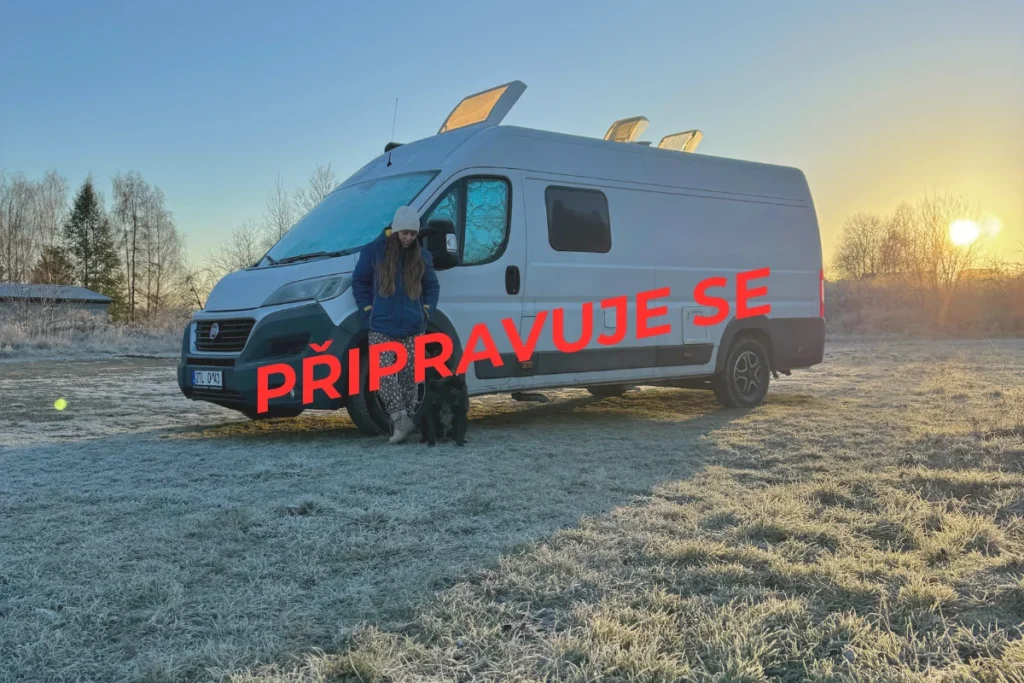
From idea to reality: How I got my first campervan
I don't know if there's one specific moment when a person decides to change their life. For me, it wasn't one decision made overnight. It was more like a quiet, slow collapse of everything I had considered "normal."
And then one day I was sitting in the Netherlands and for the first time in my life I admitted to myself that I didn't want to go back. Not because I had a plan. But because I knew I couldn't keep living like this.
The dream that was supposed to stay a dream
The idea of living in a van came to me long before any of this. It was during covid, when I'd lie in bed every evening scrolling through social media, watching people who lived completely differently. A small campervan, minimal stuff, maximum freedom. Van life as an everyday reality, not just a holiday.
It drew me in immediately. I watched every video, lived every story – but at the same time I kept it filed away somewhere very far in my head. As something beautiful but unrealistic. I kept telling myself: this would be a life… And right after that came the second thought: How do you change your life this radically when you have commitments, a job, a flat, a mortgage?
And there was one more thing. Every time I watched someone living this way, they either had money saved up or they worked online. Both feel out of reach for a lot of people. Not everyone has savings, and not everyone wants to – or can – work remotely. So the dream stayed a dream. One of those classic "maybe someday" things.
The Netherlands as a turning point
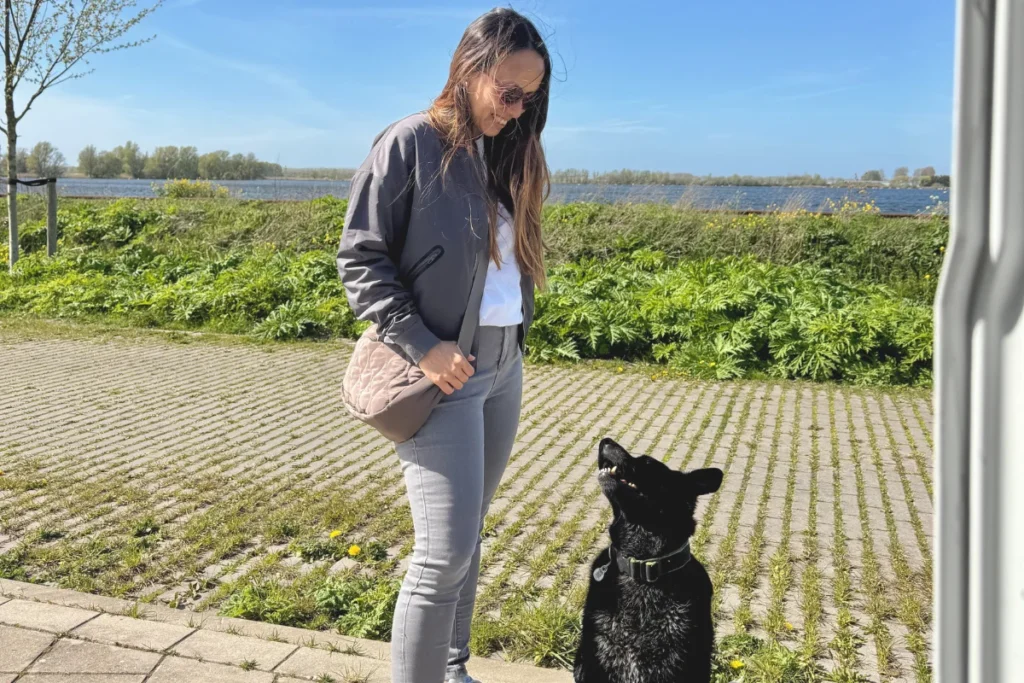
I originally went to the Netherlands for just a few months. I needed to get away. Change my surroundings. Escape the cycle that had been slowly grinding me down. It wasn't running towards a dream. It was running away from reality.
But it was there, in a completely different environment, surrounded by different people and a different rhythm, that something changed. Suddenly I had distance. And with that distance came one uncomfortable truth – that the life I was supposed to go back to was one I no longer wanted to live. By the end of the first week it hit me completely. And that's when the thought of van life came back. Life in a campervan. This time not as a distant dream, but as a real possibility.
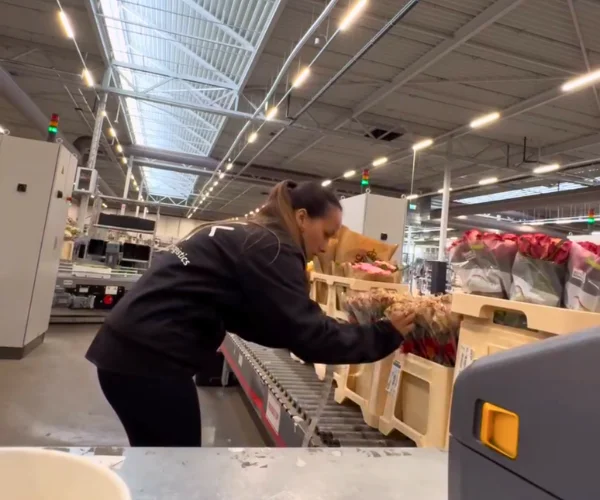
The decision that changed everything
Suddenly everything started to click into place. For the first time I let myself think differently. Not "what if it doesn't work", but "what if it does."I started building a plan in my head.
It was a radical life change. And I knew it. But for the first time I didn't feel afraid. Just a strange calm and certainty that this was exactly the path I wanted to take.
The decision to sell the flat had actually been made before my trip to the Netherlands. I knew I didn't want to keep living in my hometown. At first I thought about moving somewhere else within the country, maybe a small house. But honestly – I could feel it would be a change, just not the one I truly wanted. I wanted more. I wanted to leave completely. And in the Netherlands I finally figured out how.
Everything started moving
After coming back to the Czech Republic, things moved incredibly fast. The flat that had felt like security just weeks before suddenly became just a means to an end – so I could go after my dream. The first buyer came, looked around and bought it. I handed in my notice at work, and suddenly I was standing in the middle of my own life, selling it off piece by piece. Furniture, clothes, things I'd been collecting for years. And with every sold item I realised more and more how little a person actually needs.
The questions you hear over and over
"But what if you want to come back?" "Where will you live?" "What if something goes wrong?"
„Kde budeš bydlet?“
„Co když se něco pokazí?“
"You can't live like this forever – at some point you'll need to settle down."
I heard these questions over and over. And honestly – they made sense. But I was no longer in the "what if" phase.I was in the phase where I knew that if I didn't try, I'd regret it. I didn't want to spend more years thinking about how to change my life. I just wanted to do it.
What I knew I wanted
Once the decision was made, it was clear I'd be looking for an already converted van – ready to move into. The idea of building one myself was tempting, and it probably would have been cheaper. But I couldn't have done it alone. I didn't know anyone handy enough to take it on. And time was pressing – everything needed to be sorted within about two and a half months.
From all the videos I'd been watching, I had a pretty clear picture of what I wanted. Or so I thought. I knew I was looking for a Fiat Ducato. It's popular among van lifers, spare parts are easy to find anywhere in Europe, and it's reasonably priced. What I didn't know was that I should also be paying attention to the specific engine type. I was shooting in the dark there – but I got lucky.
My requirements for the campervan interior
A fixed bed. I knew I wouldn't want to fold and unfold a bed every evening. I want to lie down and sleep. Simple as that.
A shower and chemical toilet. I was planning to live in the van year-round and I knew that in winter I simply couldn't shower outside or spend time hunting for showers at petrol stations. This was non-negotiable.
A solar panel. No question about it. Vans without a roof panel I skipped immediately.
A gas cooker with pistol-grip refill. I was worried about electricity consumption with an electric hob. But I didn't want standard gas canisters either – swapping them seemed complicated, and I'd read that in some countries it's hard to find the right one. Then I came across the option of refilling through a pistol grip, like filling up with fuel at a petrol station. I loved the idea. I thought it might be too much to ask for – but I got it.
A fridge, kitchen counter and tanks for clean and grey water. The basics, without which year-round van life doesn't make sense.
Swivel seats. I wanted to remove the partition behind the driver and passenger seats and replace it with swivel seats to create a more open, airy space. Looking back, I'm not a hundred percent sure it's the ideal setup – in winter the cold comes through the floor and windows of the front cab, which isn't insulated like the rest of the van. But space-wise it works for me.
A rear camera. An absolute must. I always struggled with reversing even in my small Opel Corsa. With a huge van and no camera I honestly can't imagine it.
Euro 5, no AdBlue. I didn't know everything back then, but I knew this. A diesel heater and the option to heat water were also clear requirements.
Why Germany, not the Czech Republic
On Czech second-hand sites I couldn't find anything that ticked all my boxes. Something was always missing. Either the solar panel, or a shower, or the mileage was over 300,000 km. And when a van did have everything, the price was through the roof. On top of that, factory conversions never really appealed to me. I always preferred self-builds – they feel more personal and are usually better thought through for real everyday life.
So I switched to German websites. And that's where I found her. A tam jsem ji našla.
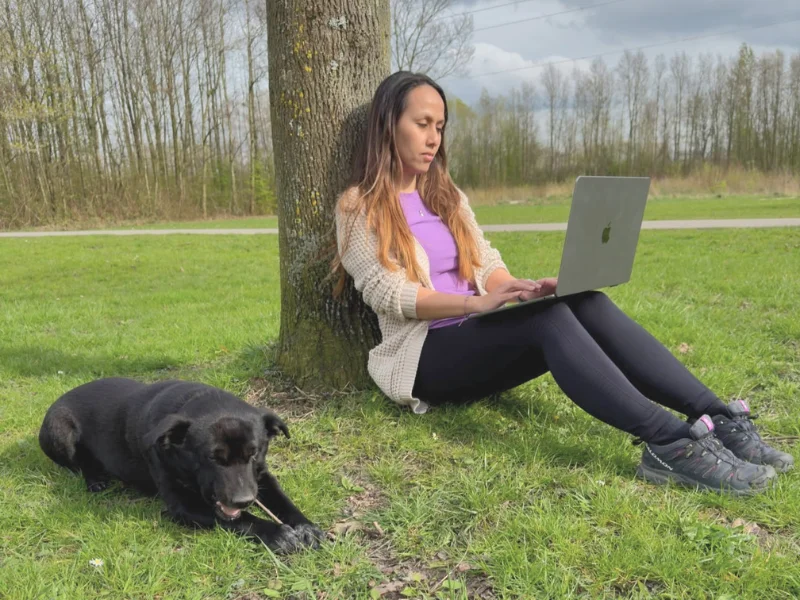
The import company: How it all worked
Since I know nothing about vehicles and had no one to advise me, I looked for an import company that handles bringing cars over from Germany. The way it works is simple – you choose a car from their listings, they send a mechanic to Germany who personally inspects it, test drives it, takes photos and videos, checks the documents, speaks to the seller – and then passes everything on to you directly from the location. We had a call and I could ask anything I needed.
Here's how the process went:
After choosing the van I contacted the company by email. They sent me a brokerage agreement and I had to pay a deposit upfront – in my case 200,000 CZK. If I'd decided not to take the van in the end, the money would have been returned.
The mechanic confirmed the van matched the listing. No visible damage, no rust, the condition matched what the seller had described. I already knew I wanted it before his report came through. I was just waiting for confirmation.
From that point on, everything was in the company's hands. The whole process from first contact to delivery in the Czech Republic took a month. In my case it dragged on a bit longer because I was waiting for the money from the flat sale – and since it went through over the Christmas holidays, everything slowed down enormously. I waited nearly two months for the money to come through. The van was already sitting at their depot. They were willing to wait – and I was incredibly grateful for that.
As part of the deal I arranged for new all-season tyres through the company – I chose them myself, they ordered them and fitted them on the spot. And the mechanic who had been to Germany for the inspection set aside an hour and a half to walk me through everything about the van. What he'd found out from the previous owner, how everything worked, what to watch out for. For me, someone who had never set foot inside a campervan before, it was like stepping into another world. If I remembered even half of what he told me, it was a win.
What the import company cost me:
- Price of the van: €40,000
- Brokerage fee: €600
- Transport by truck + new MOT in the Czech Republic: €1,200
- Total on top of the van price: €1,800
Overall I was happy with the company. They were fair, helpful, and as a complete beginner I couldn't have asked for more. There was one catch though – two years in I discovered the van wasn't officially registered as a motorhome. I don't want to blame the company because they may simply not have noticed, but that's how it was. There were some notes about the fridge and heating, but not the full records as they should have been.
I sorted it out myself. I found a company that handles official conversion registrations. They inspected and weighed the van – and since it met all the requirements, they were able to officially register it as a motorhome. I then went to the relevant office with the confirmation and had the registration document updated. From category N1 it became an M1 vehicle of special purpose.
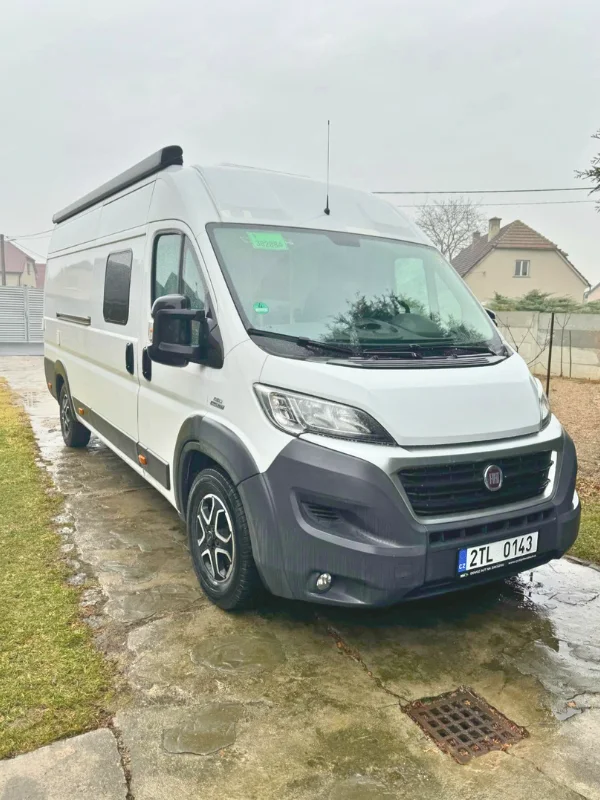
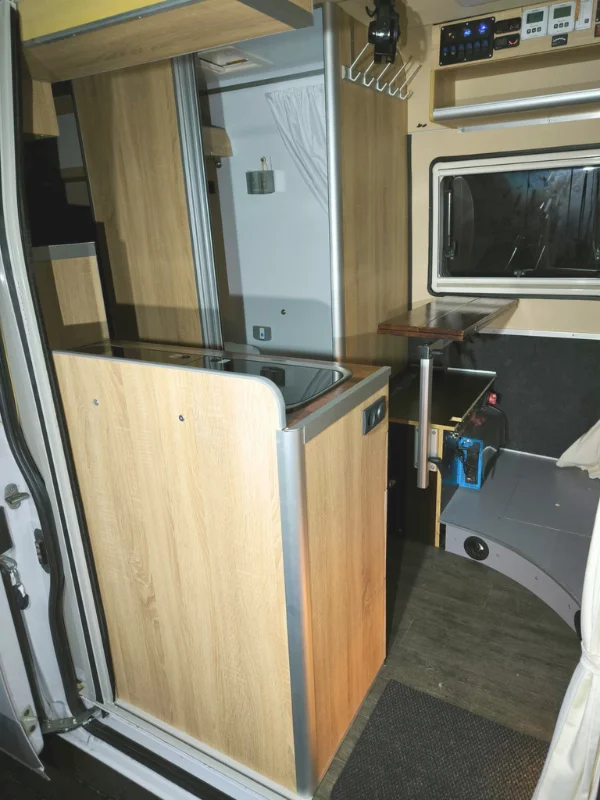
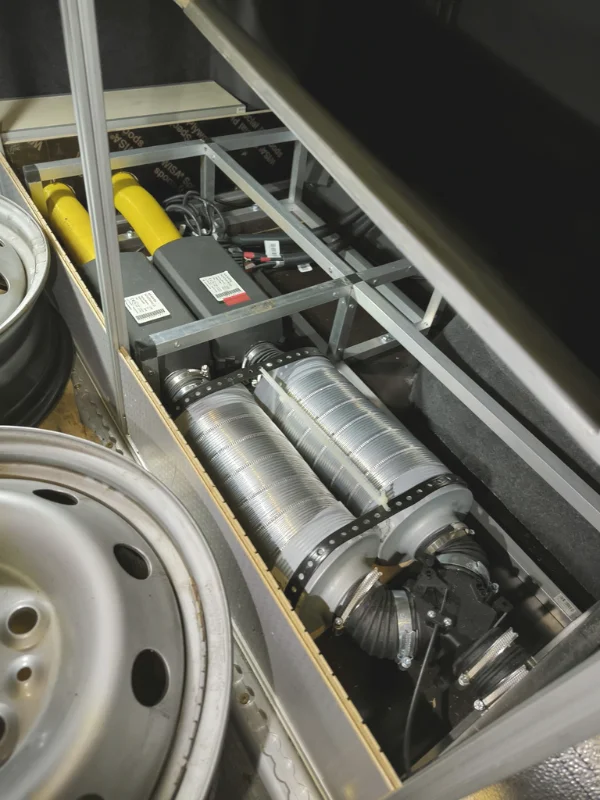
Dory – My Van
I came across a private listing from an older gentleman who had converted the van himself. With love. And you could tell.
It ticked every single box on my list – including, surprisingly, the pistol-grip gas refill I'd thought might be asking too much.
It was love at first sight.
Technical specs:
- Year of manufacture: 2014
- Engine: 2.3 l, 4-cylinder
- Power: 109 kW / 148 hp
- Emission standard: Euro 5
- Mileage: 125,000 km
- Size: L4H2 (6.5 m / 2.7 m)
Equipment:
- Gel battery 220 Ah
- Inverter 1,500 W (standard 230 V sockets)
- 2× diesel heater 2 kW
- Fresh water tank 60 l
- Grey water tank 80 l
- Compressor fridge 78 l + freezer 6 l
- Solar panel 200 W
- Gas tank 55 l (pistol-grip refill)
- Rear camera
- Swivel driver and passenger seats
And then reality hit
The whole process – from the first decision through selling the flat, searching, buying and having the van delivered – happened incredibly fast. As if everything knew it was right and just fell into place.
I had my van. My new home on wheels. My life on the road. What came next – the first drive, the first mistakes, the first night in Dora and setting off for the Netherlands – that's a story for next time.
Niky 🐾

If my story resonated with you or you enjoy following my journey, you can support me by buying me a coffee.
It helps me keep creating and travelling.